
Discover the elegant art of tasting wine to awaken all your senses. Learn the fascinating history behind clinking glasses and modern toasting etiquette
When it comes to enjoying alcoholic beverages, except for drinking beer with its characteristic fun and loud cheers, wine is an entirely different story. Loudly cheering and emptying a glass of wine in one breath is often considered impolite and uncivilized.
Drinking wine is not just about putting a beverage into your system. It is a holistic experience that requires the drinker to smell the aroma, observe the color, and truly feel the complexity of the wine. Chilling or warming the wine before drinking is also specifically intended to help the drinker deeply experience the rich aromas that spread when it is poured into the glass.
Tasting wine is a journey to awaken all human senses. To do this, you need to master the following principles:
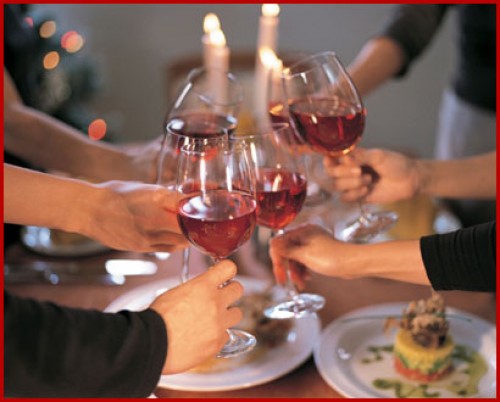
Drinkers often have a humorous way of referring to the act of clinking glasses as the culture of "lifting up and putting down." No one knows exactly when the custom of clinking glasses first appeared, but there are some fascinating historical anecdotes surrounding it:
Gradually, clinking glasses evolved beyond its initial, practical reasons to become a beloved custom, and even a solemn ritual at parties and gatherings.
In modern society, the act of "clinking glasses" is not simply a habit at the dinner table or during business negotiations; it has been elevated into a delicate cultural art form.
Around a party table with a glass of wine or beer, people can easily get closer and share their true feelings. Each clink of a glass carries its own unique emotional meaning: it can serve as a congratulation, a deep expression of gratitude, or a sincere apology. It seems that through those gentle clinking sounds, people find it easier to forgive and understand one another.
However, knowing how to clink glasses with true etiquette is not something everyone masters. This action, although simple, can bring success in business, respect from friends, and sometimes reflects the true personality of an individual. Knowing how to drink just enough to beautifully end the gathering, while keeping the atmosphere warm and harmonious, is truly the pinnacle of the art of tasting wine.
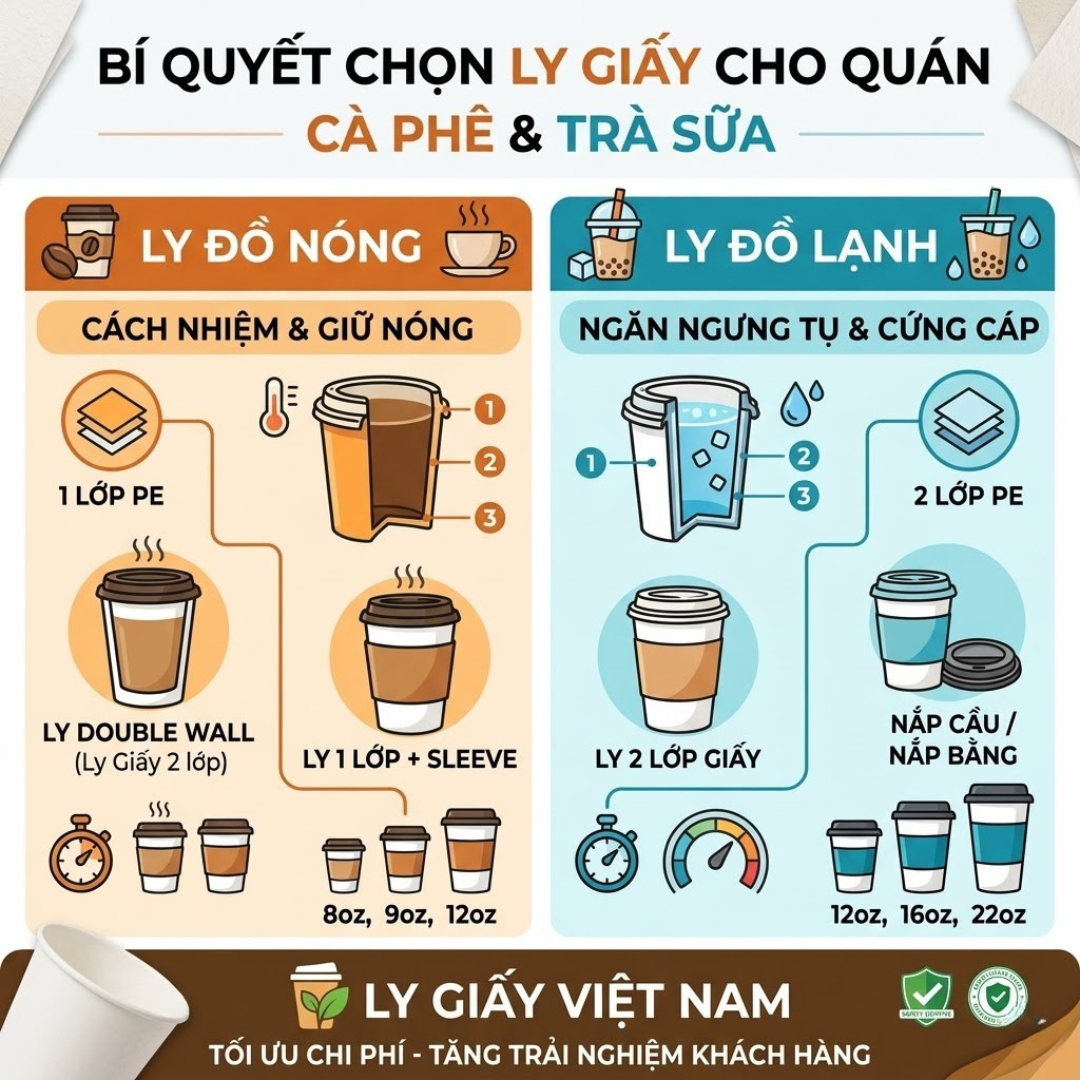
Discover the secrets to choosing hot and cold paper cups for your coffee or milk tea shop to optimize costs and enhance customer experience
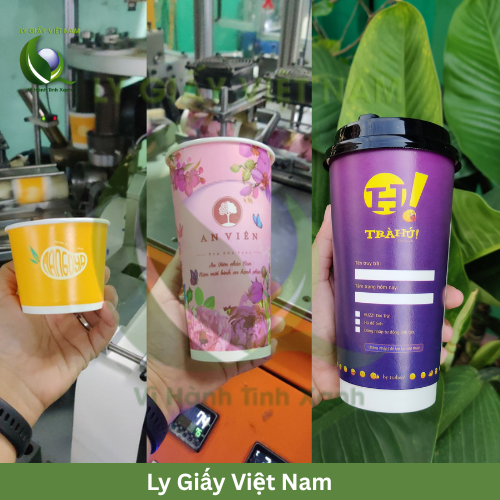
What are double PE coated paper cups? The perfect solution to prevent condensation and sogginess for iced coffee & milk tea. Order custom printed cups at factory prices today!
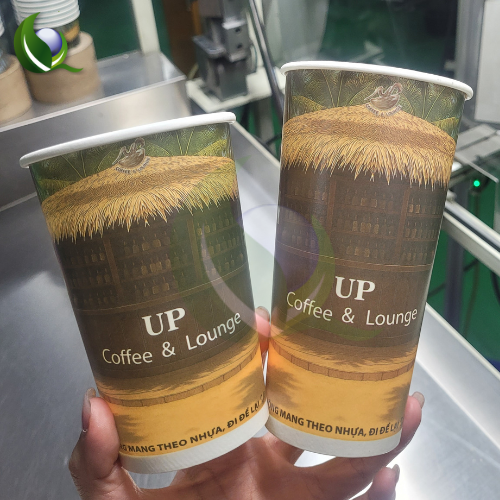
Switching from plastic to paper cups is a smart investment strategy that helps F&B businesses not only optimize operational costs but also build a sustainable brand image and attract a large customer base that values environmental responsibility. This is no longer just an option—it’s a strategic move to assert market position and increase competitiveness in an increasingly demanding landscape.
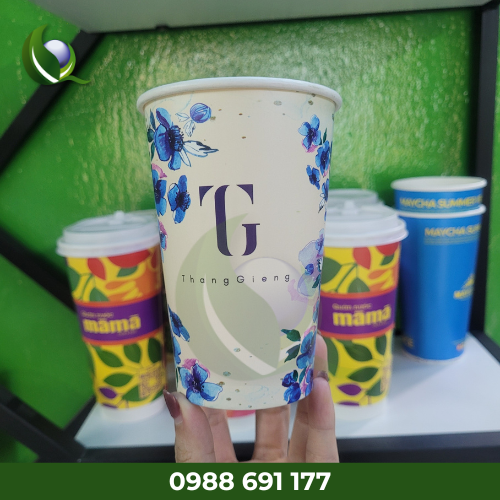
Paper cups and the shift in Vietnamese consumer habits are shaping a greener future—one where every small choice contributes significantly to the environment and public health, while also unlocking golden opportunities for F&B businesses. At Ly Giấy Việt Nam, we see this transition as an inevitable wave, offering an optimal solution for both consumers and brands aiming for sustainable...
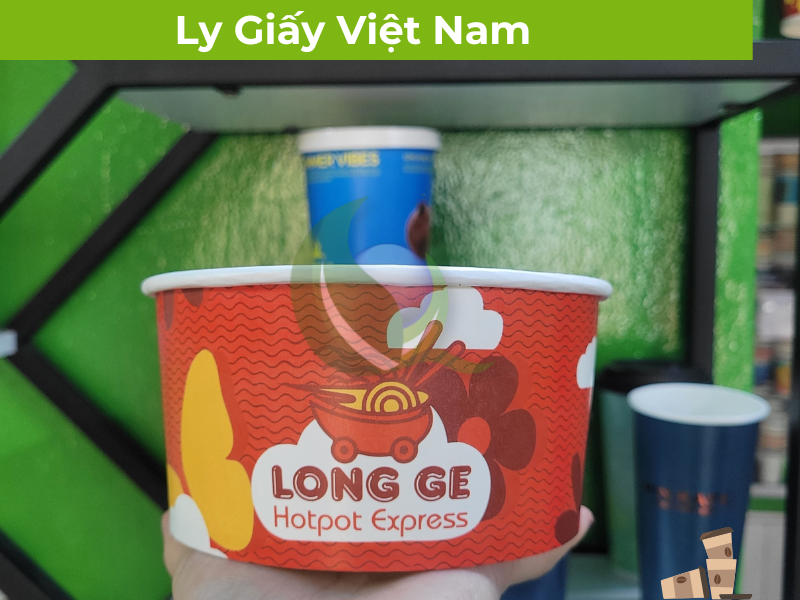
Paper Bowls: The Ideal Solution for Hot Dishes Like Pho, Noodle Soup, and Broth More than just a packaging trend, paper bowls are a strategic decision that enhances customer experience and strengthens brand value in the highly competitive food delivery market. Ly Giay Vietnam is proud to offer high-quality paper bowl products that fully meet the criteria of safety, aesthetics, and business...
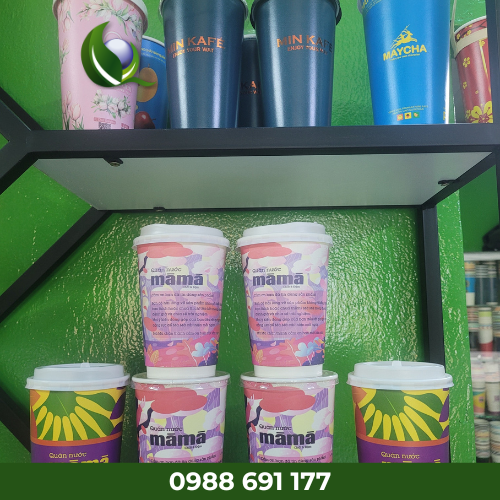
The trend of using paper cups in the F&B (Food & Beverage) industry is not just a temporary trend but has become a green revolution, reshaping the entire appearance of the modern food and beverage industry.


Comment & review