

In the era of eco-conscious consumption, sugarcane bagasse bowls have become the preferred choice for restaurants, take-away brands, industrial kitchens, and F&B businesses. Made from natural, biodegradable fibers with excellent heat resistance and food safety, bagasse bowls are rapidly replacing traditional plastic and foam containers.
The following guide provides everything you need to know about bagasse bowls: material properties, sizes, applications, advantages, and benefits for F&B operations.
1. What Is a Sugarcane Bagasse Bowl?
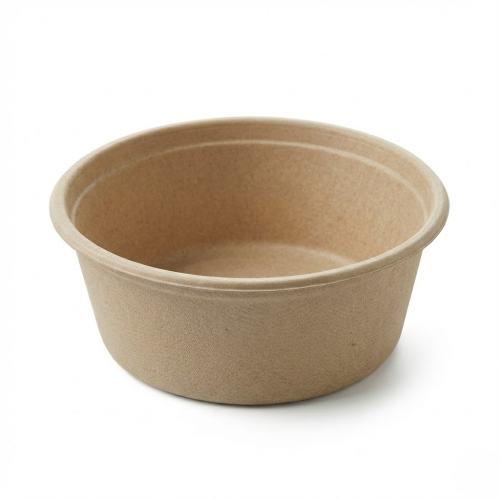
A bagasse bowl is made from sugarcane fiber – a natural by-product left after sugar extraction. Using advanced heat-press technology, the fibers are compressed into durable bowls that are plastic-free and environmentally friendly.
.png)
Key Features
- Made from 100% natural plant fiber
- Biodegrades in 45–180 days
- Free from plastic, BPA, and toxic chemicals
- Excellent heat resistance: –20°C to 120°C
- Microwave-safe, freezer-safe, and suitable for food warmers
- Oil-resistant and leak-proof
2. Popular Bagasse Bowl Sizes (2025 Collection)
Bagasse bowls come in a wide range of capacities suitable for various F&B business models.
2.1 Standard Bagasse Bowls
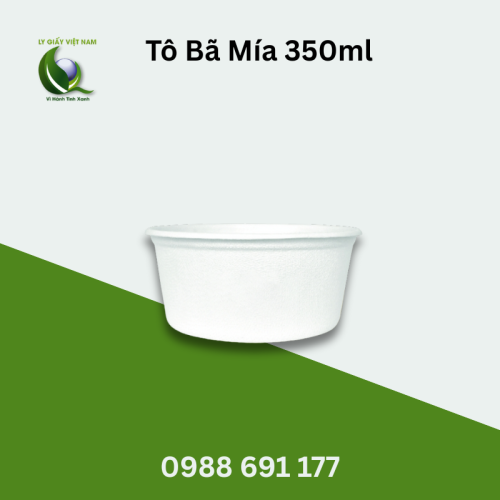
- 12oz (350ml) – porridge, soup, desserts
.png)
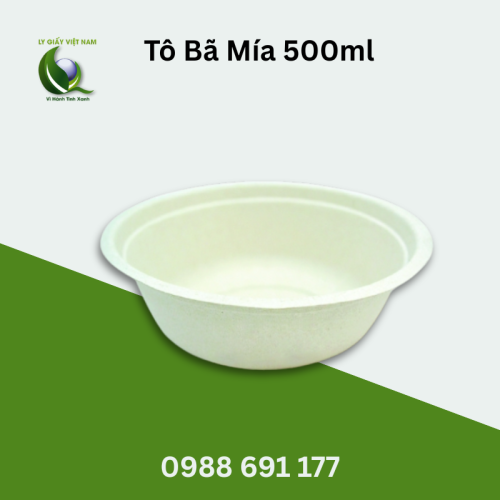
- 14oz – 16oz (400–500ml) – noodle sets, rice sets
- 22oz – 25oz (650–750ml) – vermicelli, noodle soups
.png)
- 28oz – 32oz (900–1000ml) – large phở bowls, liquid foods
2.2 Compatible Lids
- Bagasse lids
- Paper lids
- PET clear lids
- PP heat-resistant lids
3. Outstanding Advantages of Bagasse Bowls
3.1 Eco-Friendly & Fully Biodegradable
Bagasse bowls decompose quickly without causing plastic pollution, making them ideal for sustainable consumption trends.
3.2 Heat-Resistant Up to 120°C
Perfect for serving hot dishes such as phở, soups, broths, and stews without deforming or releasing chemicals.
3.3 Food-Safe & Non-Toxic
Contains no BPA, no plastic components, and no harmful additives.
3.4 Oil-Resistant & Leak-Proof
High-density press technology ensures stable performance for hot, oily, or liquid dishes.
3.5 Enhances Brand Image
The natural, premium look elevates brand perception—especially for modern take-away and healthy food concepts.
4. Applications of Sugarcane Bagasse Bowls
Bagasse bowls are widely used across the F&B industry:
- Noodle shops: phở, bún, hủ tiếu, miến
- Restaurants and food stalls
- Office lunch providers
- Take-away & delivery businesses
- Industrial kitchens
- Healthy/clean-eating brands
- Catering services and events
.png)
5. Comparison: Bagasse Bowl vs Plastic/Foam Bowl
| Criteria | Bagasse Bowl | Plastic / Foam Bowl |
|---|---|---|
| Food safety | ✔ Non-toxic | ✘ May release toxins |
| Heat resistance | ✔ Up to 120°C | ✘ Deforms with heat |
| Eco-friendly | ✔ Biodegradable | ✘ Non-degradable |
| Liquid/oil resistance | ✔ Leak-proof | ✘ Easily leaks |
| Aesthetic quality | ✔ Modern & premium | ✘ Low-end look |
6. Why Choose Bagasse Bowls from Ly Giay Viet Nam?
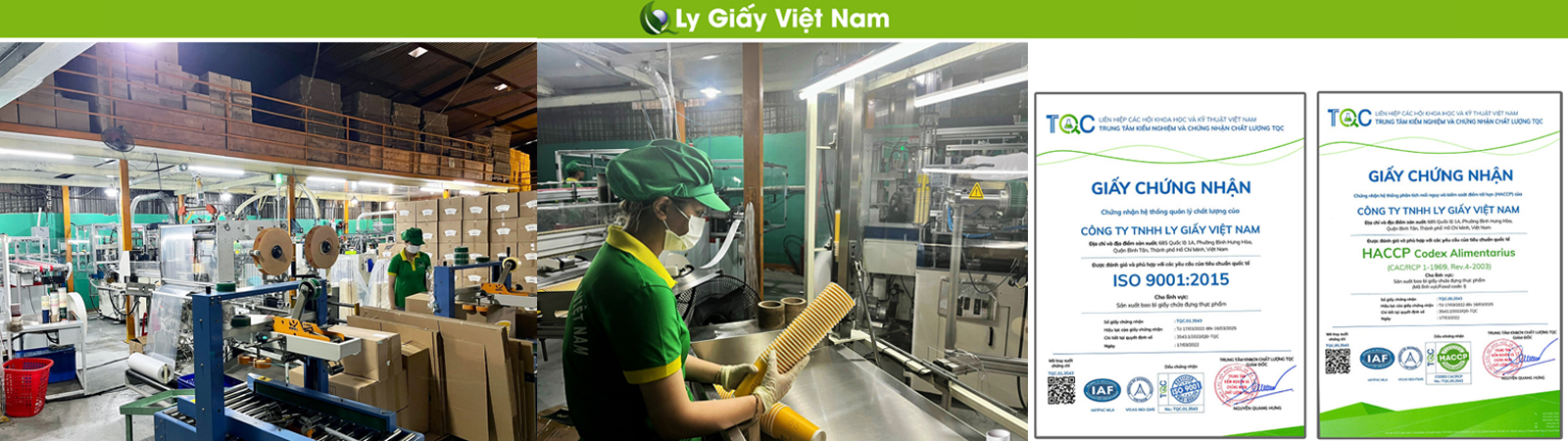
- Over 10 years of manufacturing experience
- Bagasse material certified by FSC & FDA
- Wide range of sizes and lid options
- Factory-direct pricing for large quantities
- Nationwide delivery
- Expert consultation for suitable F&B packaging
- Custom size and private-label production
7. Contact to Order Bagasse Bowls
Ly Giay Viet Nam Company
Address: 685 Le Quoc Anh (Highway 1A), Binh Hung Hoa Ward, Ho Chi Minh City
Hotline: 0988 691 177
Email: sales@lygiayvietnam.vn
Website: https://lygiayvietnam.vn