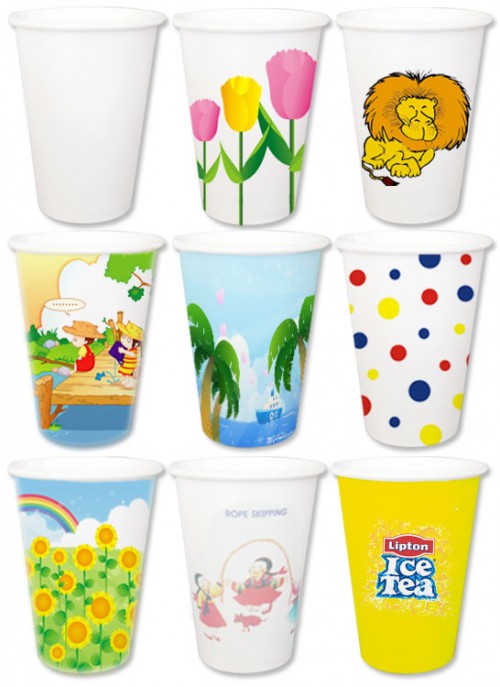
Discover a breakthrough green technology: Turning 100 discarded paper cups into 1.3 liters of biofuel (ethanol, hydrogen) using bacteria. Read more!
Using discarded paper cups to generate biofuel is considered one of the most breakthrough technological advancements of this decade. Amidst the global waste crisis, scientists have found a way to turn disposable paper cups into an invaluable green energy source, such as ethanol and hydrogen.
As a reputable paper packaging manufacturer with years of experience, Ly Giay Vietnam always keeps up with the sustainable development trends of the industry. The following article will analyze in detail the process of transforming waste into energy, while opening a new perspective on the future of the eco-friendly packaging industry.
Before diving into the new technology, we need to understand why paper cups have traditionally been a recycling challenge. To make them waterproof, most traditional paper cups are coated with a thin plastic layer (PE - Polyethylene). This layer makes separating paper and plastic at waste treatment plants costly and complex.
Consequently, billions of paper cups globally end up in landfills or incinerators after being used in coffee shops and fast-food chains. This not only wastes an abundant source of paper pulp but also puts additional pressure on the natural environment. The emergence of technology using bacteria to decompose paper has brought a new ray of hope to the global recycling industry.
Researchers have proven that we can use paper cups to feed special bacteria. Through their metabolic process, these microorganisms secrete high-value biofuels: ethanol (industrial alcohol) and hydrogen.
Specifically, practical tests have successfully used 100 discarded paper cups to produce 1.3 liters of ethanol. This is an extremely impressive efficiency. Below is the 3-step biological waste treatment process:
Paper cups collected from landfills are cleaned and fed into high-capacity shredders. They are shredded into a fluffy texture, resembling "cotton candy". This fluffing process aims to maximize the surface area of the paper fibers.
The fluffy paper mass is then transferred to bioreactors. Here, they are "prepared" by adjusting the temperature and acidity (pH level) to the most attractive levels for the bacteria. This ideal environment stimulates the bacteria to multiply and act vigorously.
When the bacteria are introduced, they begin to consume the cellulose fibers in the paper cups. The natural digestion process of the bacteria releases hydrogen gas and liquid ethanol. These two compounds are then collected, refined, and stored for use in the energy industries.
The successful application of this recycling model brings immense benefits in two core areas:
Are you interested in eco-friendly packaging solutions? Check out the biodegradable Sugarcane Bagasse Box collection from Ly Giay Vietnam.
Although successful in the laboratory, this technology still needs time to optimize costs and scale up. Scientists estimate it will take 3 to 5 years to commercialize the above production process.
And when that day comes, the paper cups we use daily will become much greener. They will no longer be waste, but a valuable resource for energy production, strongly promoting the development of the Circular Economy.
While waiting for biofuel production technology to become popular, proactively using safe, easily biodegradable packaging products is the most practical action that F&B businesses can take right now.
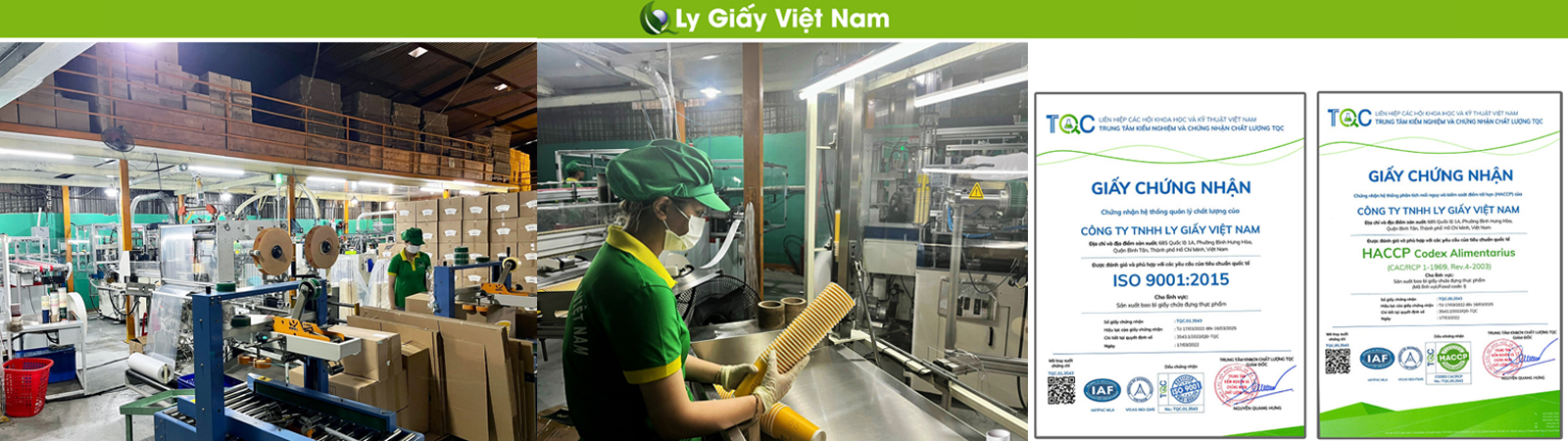
Established on July 1st, 2010, Ly Giay Vietnam Co., Ltd is proud to be one of the pioneering factories in Ho Chi Minh City in the field of green food packaging production. We offer a wide range of high-quality products:
All products are manufactured on modern assembly lines, free from harmful chemicals, committing to protect consumer health and the natural ecosystem.
If you are a restaurant chain or coffee shop looking for a green packaging supplier with factory direct prices, please contact us for consultation and detailed quotes.
LY GIAY VIETNAM CO., LTD
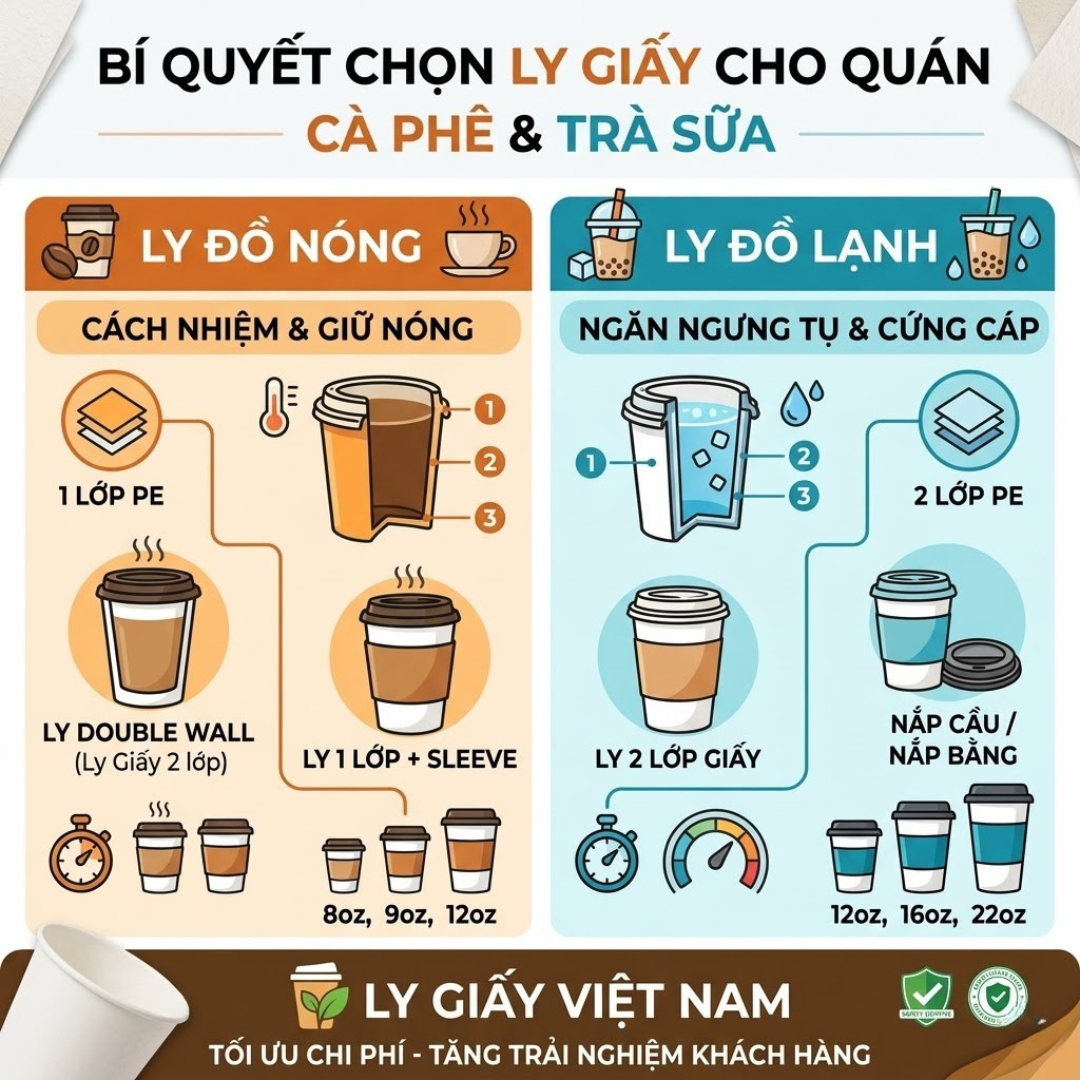
Discover the secrets to choosing hot and cold paper cups for your coffee or milk tea shop to optimize costs and enhance customer experience
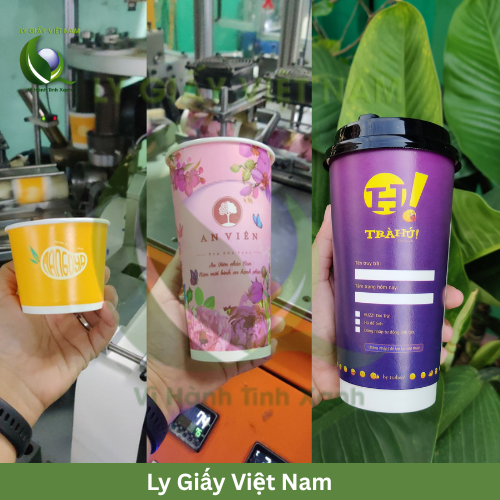
What are double PE coated paper cups? The perfect solution to prevent condensation and sogginess for iced coffee & milk tea. Order custom printed cups at factory prices today!
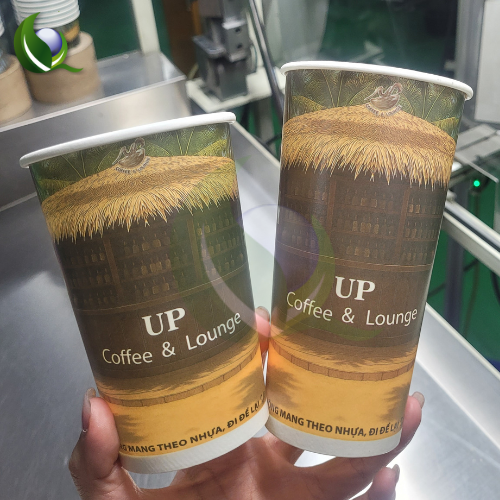
Switching from plastic to paper cups is a smart investment strategy that helps F&B businesses not only optimize operational costs but also build a sustainable brand image and attract a large customer base that values environmental responsibility. This is no longer just an option—it’s a strategic move to assert market position and increase competitiveness in an increasingly demanding landscape.
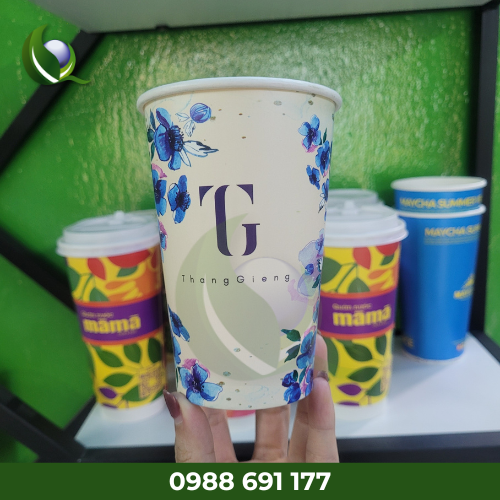
Paper cups and the shift in Vietnamese consumer habits are shaping a greener future—one where every small choice contributes significantly to the environment and public health, while also unlocking golden opportunities for F&B businesses. At Ly Giấy Việt Nam, we see this transition as an inevitable wave, offering an optimal solution for both consumers and brands aiming for sustainable...
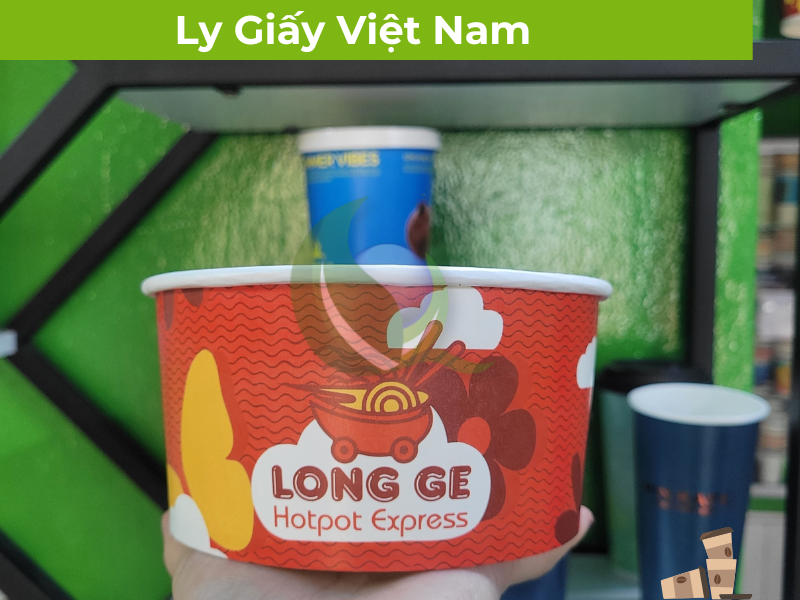
Paper Bowls: The Ideal Solution for Hot Dishes Like Pho, Noodle Soup, and Broth More than just a packaging trend, paper bowls are a strategic decision that enhances customer experience and strengthens brand value in the highly competitive food delivery market. Ly Giay Vietnam is proud to offer high-quality paper bowl products that fully meet the criteria of safety, aesthetics, and business...
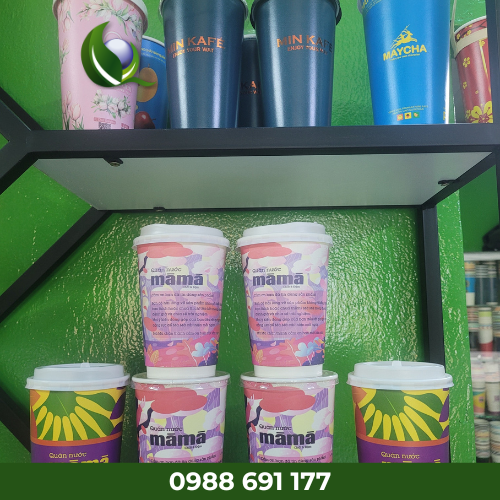
The trend of using paper cups in the F&B (Food & Beverage) industry is not just a temporary trend but has become a green revolution, reshaping the entire appearance of the modern food and beverage industry.


Comment & review