Discover the history of the paper cup, originally invented in 1907 by Lawrence Luellen as the "Health Cup" to promote public hygiene. Today, it has evolved from the Dixie Cup into a sustainable, eco-friendly packaging solution and a powerful marketing tool for businesses.
Today, paper cups are more than just ordinary beverage containers; they are an indispensable part of modern life. Since the later decades of the 20th century, millions of paper cups have been used daily to serve takeaway needs for coffee, soda, and various other beverages.
So, where did paper cups originate, why are they more environmentally friendly than plastic cups, and how can they be transformed into powerful advertising tools? Let’s explore these questions in the article below.
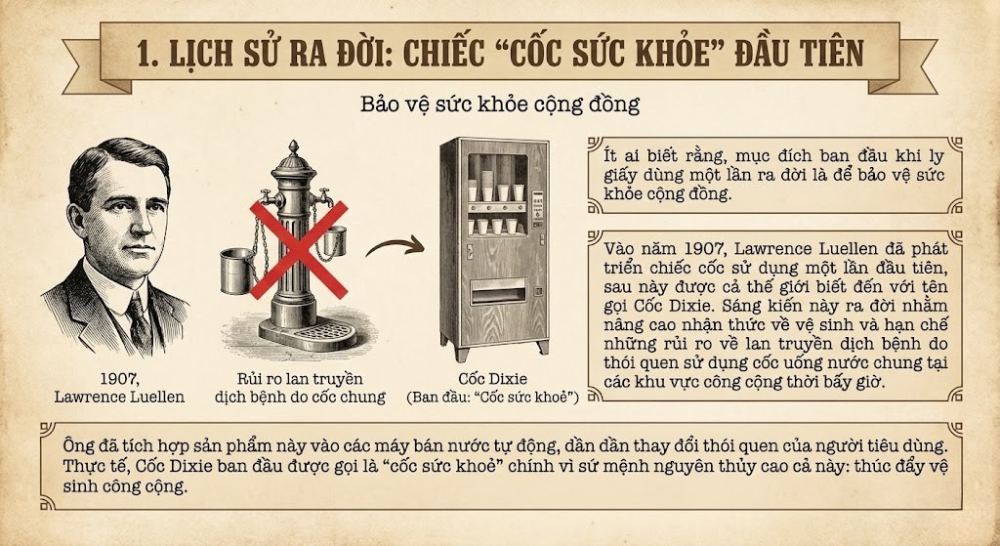
Few people realize that the primary purpose behind the invention of the disposable paper cup was to protect public health.
In 1907, Lawrence Luellen developed the first single-use cup, which later became known globally as the Dixie Cup. This initiative aimed to raise hygiene awareness and mitigate the risks of disease transmission caused by the common practice of using shared drinking cups in public spaces at the time.
He integrated this product into automatic vending machines, gradually changing consumer habits. In fact, the Dixie Cup was originally called the "health cup" precisely because of this noble founding mission: promoting public hygiene.
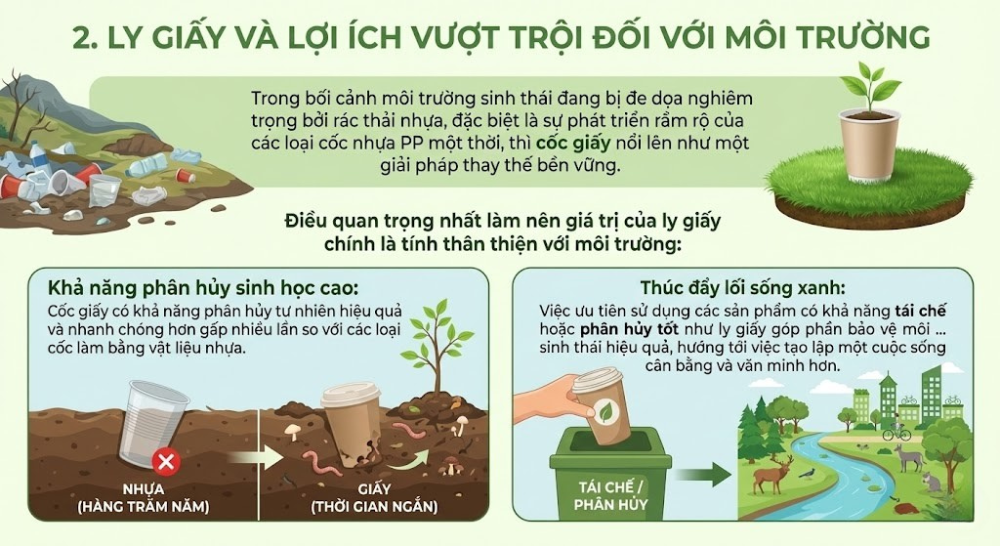
In a context where the ecological environment is seriously threatened by plastic waste, particularly following the rampant development of PP plastic cups in the past, paper cups have emerged as a sustainable alternative.
The most crucial factor defining the value of paper cups is their eco-friendliness:
Beyond their functions of holding beverages or protecting the environment, paper cups today have become an extremely effective mobile communication channel for brands.
The large surface area on the body of the cup is "golden territory" to exploit for aesthetic and advertising purposes.
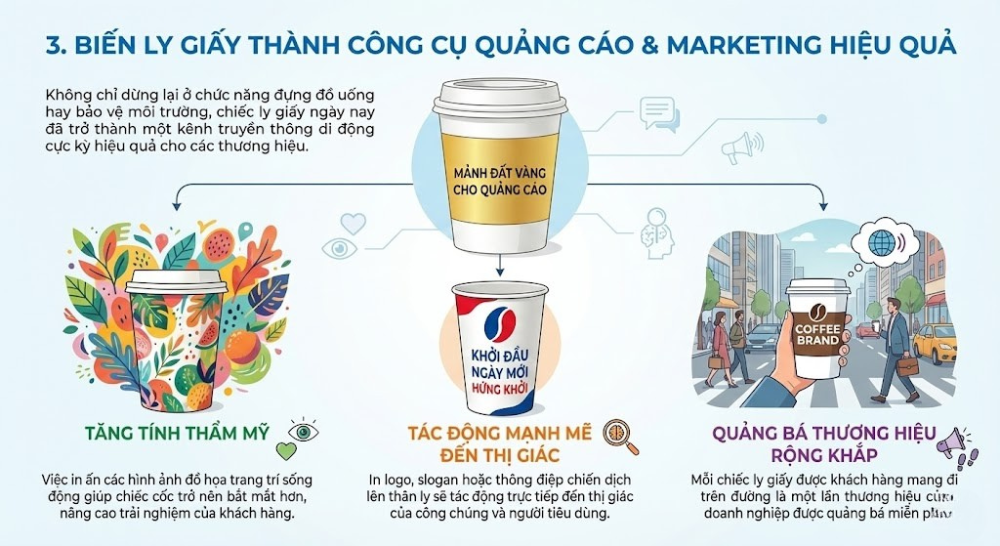
Reality has proven this point; many "giants" in the fast-food and F&B industries have successfully utilized printing strategies on paper cups for brand positioning. Typical examples include KFC, Lotteria, and BBQ Chicken.
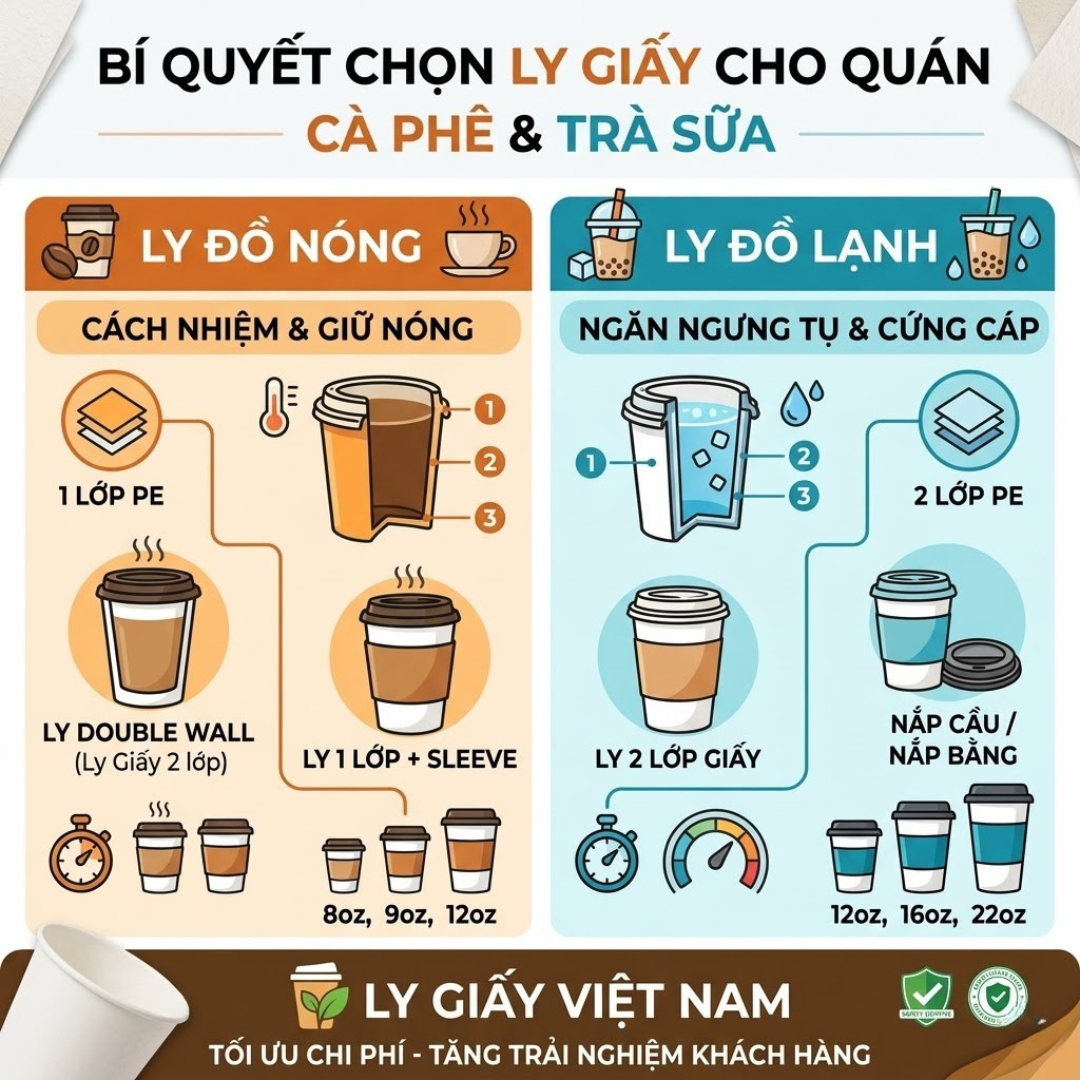
Discover the secrets to choosing hot and cold paper cups for your coffee or milk tea shop to optimize costs and enhance customer experience
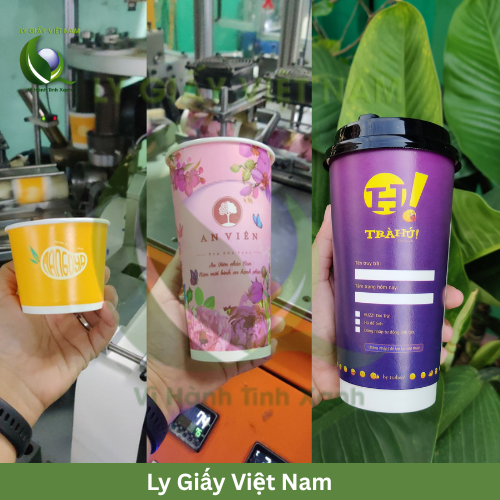
What are double PE coated paper cups? The perfect solution to prevent condensation and sogginess for iced coffee & milk tea. Order custom printed cups at factory prices today!
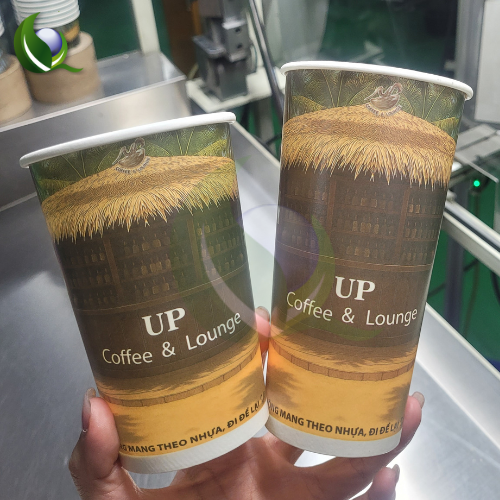
Switching from plastic to paper cups is a smart investment strategy that helps F&B businesses not only optimize operational costs but also build a sustainable brand image and attract a large customer base that values environmental responsibility. This is no longer just an option—it’s a strategic move to assert market position and increase competitiveness in an increasingly demanding landscape.
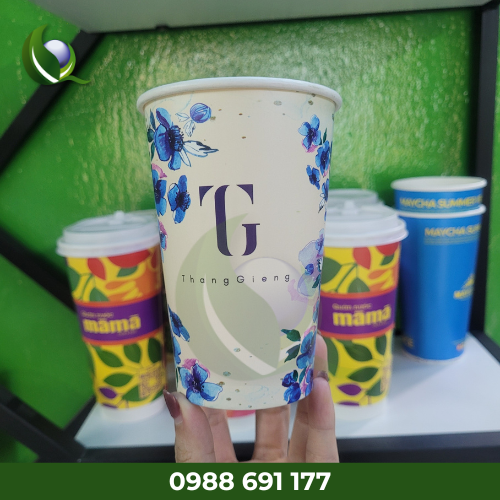
Paper cups and the shift in Vietnamese consumer habits are shaping a greener future—one where every small choice contributes significantly to the environment and public health, while also unlocking golden opportunities for F&B businesses. At Ly Giấy Việt Nam, we see this transition as an inevitable wave, offering an optimal solution for both consumers and brands aiming for sustainable...
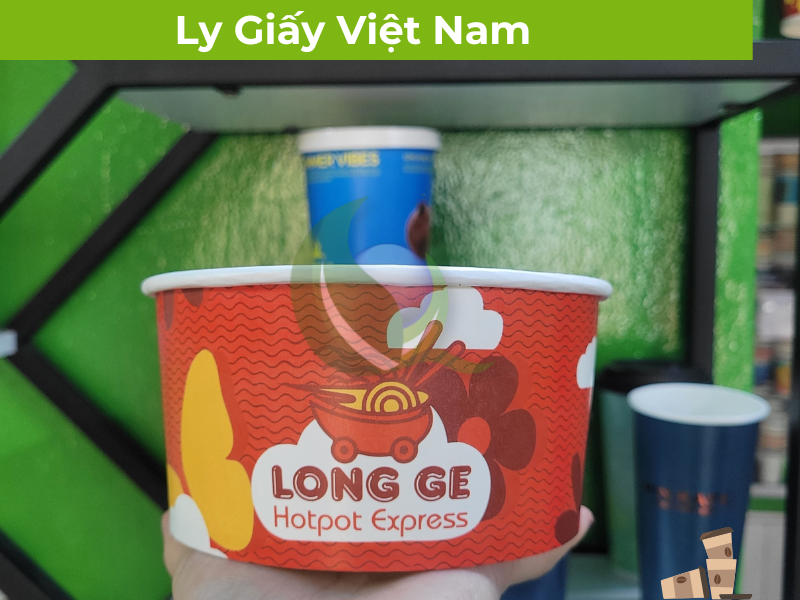
Paper Bowls: The Ideal Solution for Hot Dishes Like Pho, Noodle Soup, and Broth More than just a packaging trend, paper bowls are a strategic decision that enhances customer experience and strengthens brand value in the highly competitive food delivery market. Ly Giay Vietnam is proud to offer high-quality paper bowl products that fully meet the criteria of safety, aesthetics, and business...
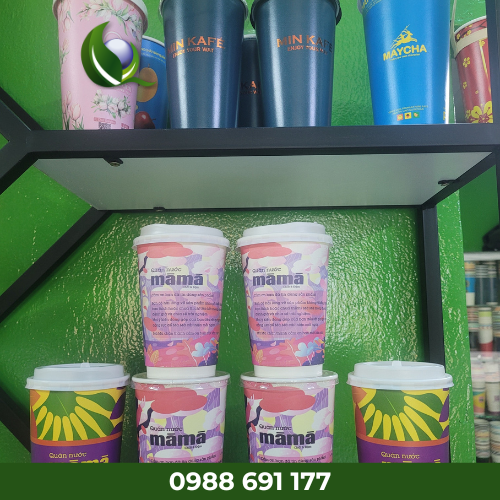
The trend of using paper cups in the F&B (Food & Beverage) industry is not just a temporary trend but has become a green revolution, reshaping the entire appearance of the modern food and beverage industry.


Comment & review